WHAT ARE YOU LOOKING FOR?
WHAT ARE YOU LOOKING FOR?
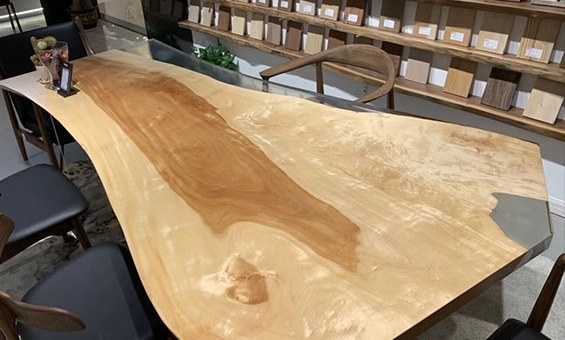
Japanese Horse Chestnut: Silken Lustre, Impeccably Smooth
Japanese Horse Chestnut is a deciduous tree of the soapberry family, native to Japan. Its creamy heartwood and silken, rippled figure have long made it a material for fine furniture and craftwork.
Japanese Horse Chestnut
Also known as the Japanese buckeye
Scientific name: Aesculus turbinate
Phylum: Angiosperms
Class: Dicotyledons
Order: Sapindales
Family: Sapindaceae
Genus: Aesculus
Species: Japanese Horse Chestnut
, duration
00:13
The Species: Japanese Horse Chestnut
Japanese Horse Chestnut belongs to the genus Aesculus in the soapberry family. It is native to Japan, and small numbers have been introduced and cultivated in Qingdao and Shanghai in China.
A deciduous tree, it wants full light and a warm climate, and asks for deep, fertile, moist soil with good drainage. It carries some cold tolerance and takes light shade, but it will not take drought.
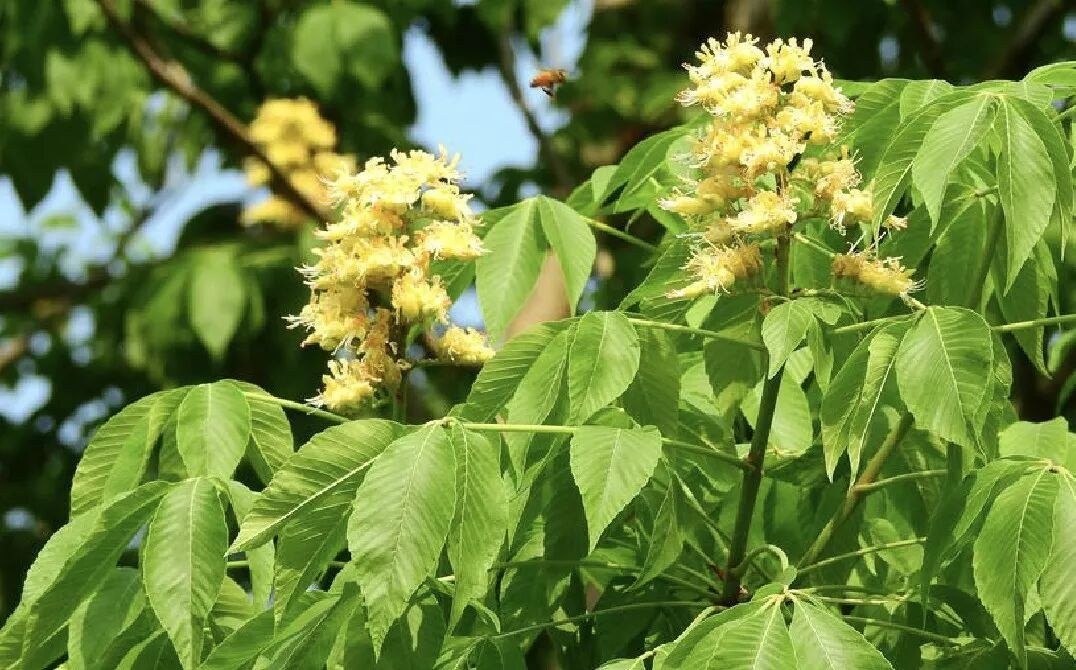
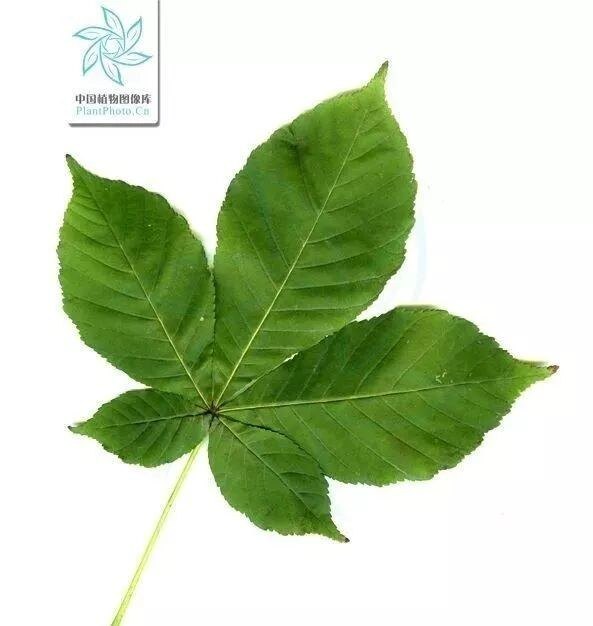
Like most members of the genus, it bears opposite, palmately compound leaves with five to seven stalkless leaflets, obovate in shape. The flowers are small, white or pale yellow, turning from yellow to red as they open, and rise in terminal panicles — a generous, elegant display.
Trees commonly reach 30 metres, with a diameter at breast height of up to 2 metres, and the wood suits the making of implements and utensils. The trunk rises straight and the crown opens wide, tall and imposing; the broad, striking leaves and beautiful flower spikes make it an excellent street and garden tree, giving shade as well as ornament.
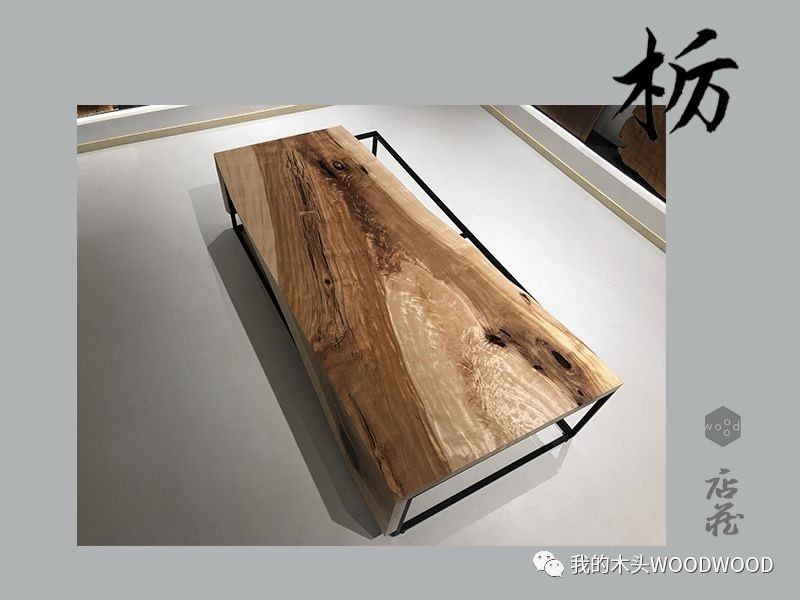
The Wood: Properties
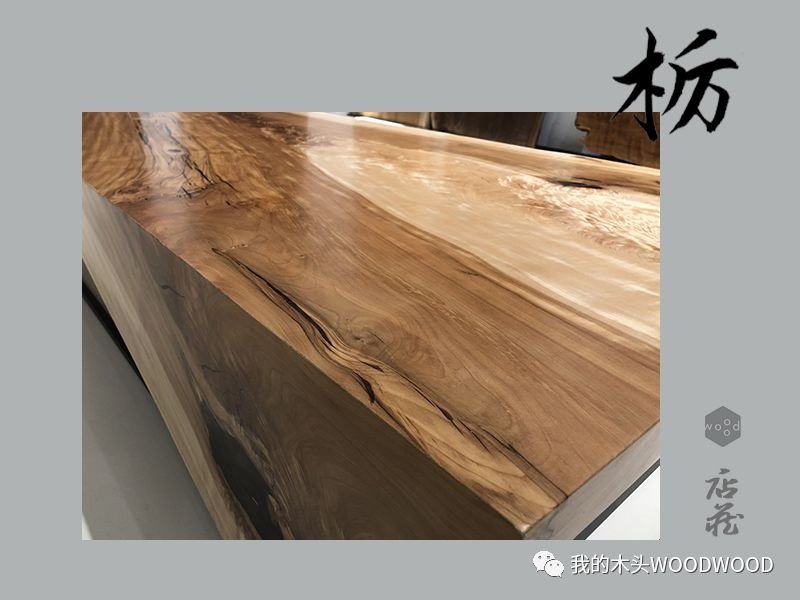
The heartwood is usually creamy white or faintly yellow. Felled in early winter the wood is remarkably white; felled later in the season it ranges from yellow through to brown.
In structure the wood is fine, dense and uniform. That makes it low in stiffness and bending strength on the one hand — it asks to be handled with care — and on the other, ideal for the fine finishing of hand tools, taking stains and polish beautifully.
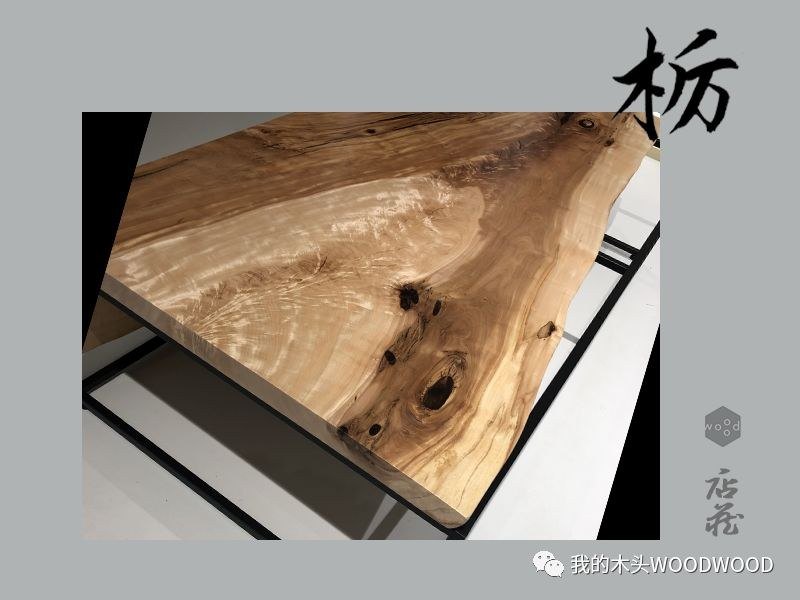
Its dried weight is around 510 kg/m³. It dries quickly and easily, and, most remarkably, moves so little in use that the change is all but negligible.
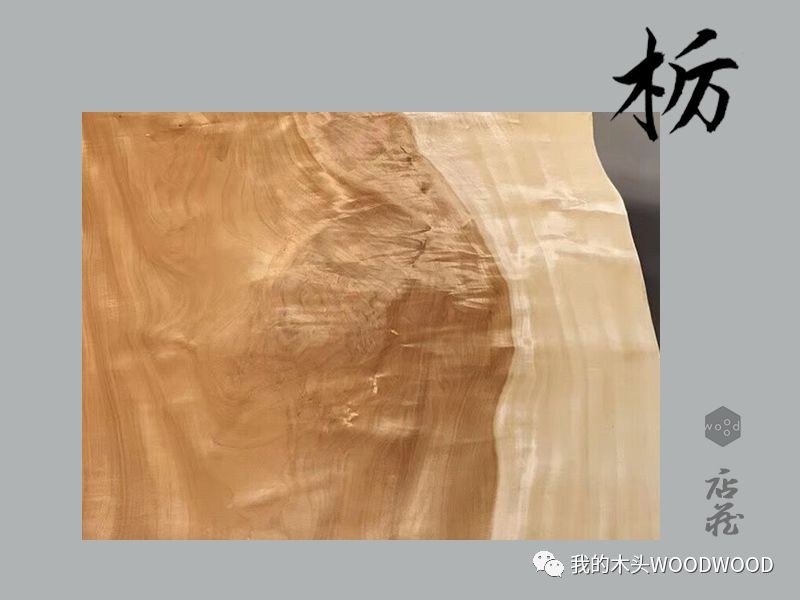
In the Home: The Aesthetic
Its signature is a silken, shimmering ripple — a figured grain that may run across the board, spiral or wave, showing as bands or flecks on the longitudinal face.
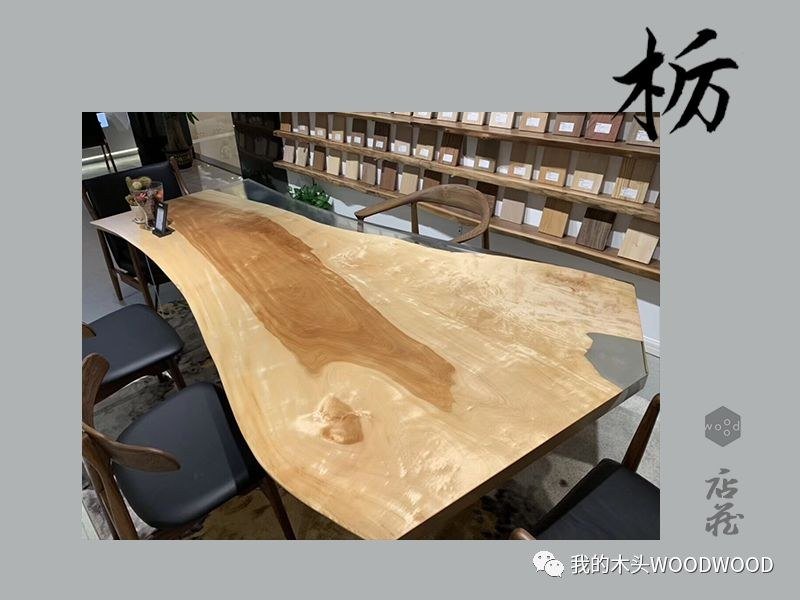
This beautiful figure and lustre have long made Japanese Horse Chestnut a material for the tea ceremony and for fine craftwork, and its value has climbed steadily.
It is used for furniture, turned work, interior decoration, kitchen cabinetry and premium decorative veneers — a furnishing and furniture material of unusually high visual quality.
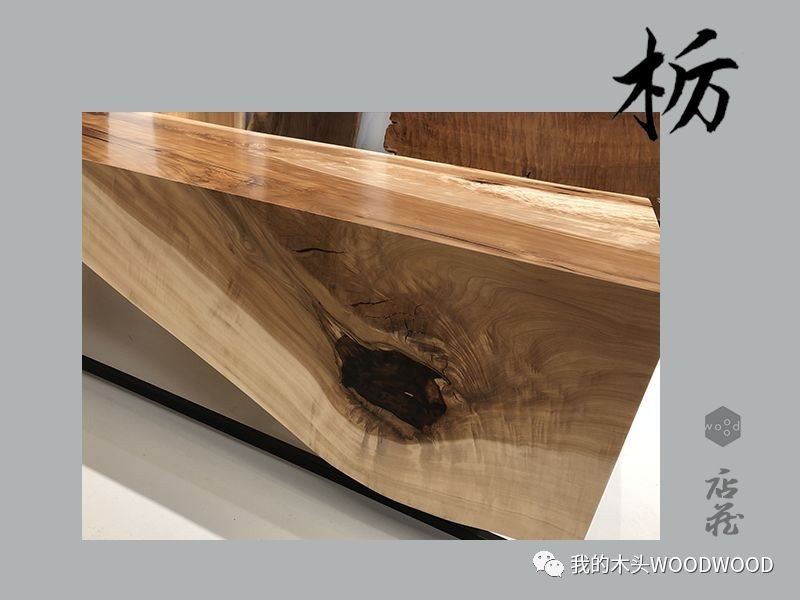
Its character is gentle yet never dull — like a poised young woman, tranquil at one moment and modern the next, rich in shifting layers. In wooden furniture it is a rare note of brightness.
Silken lustre, elegant layers
Selected for you by My Wood
Japanese Horse Chestnut Live-edge Slabs

SEELAND WOOD LTD
B Block, Southern Ninth Street, Qiaotou Town, Dongguan city, Guangdong Province, China